Importance of Regular Dental Check-Ups

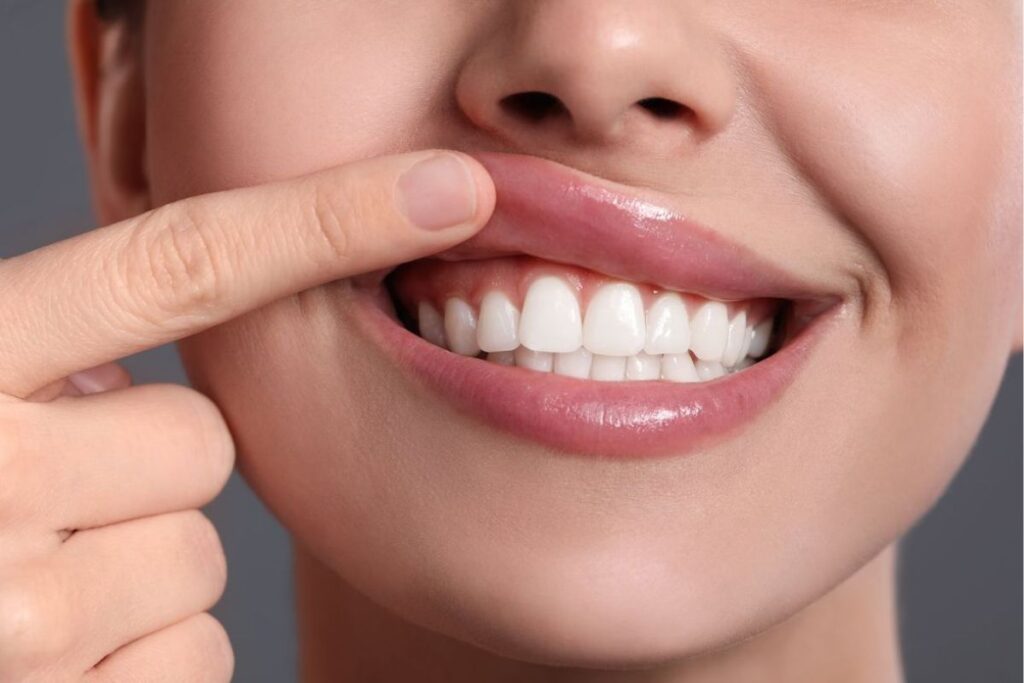
Teeth Whitening: Benefits, Procedure and Safety
September 16, 2026
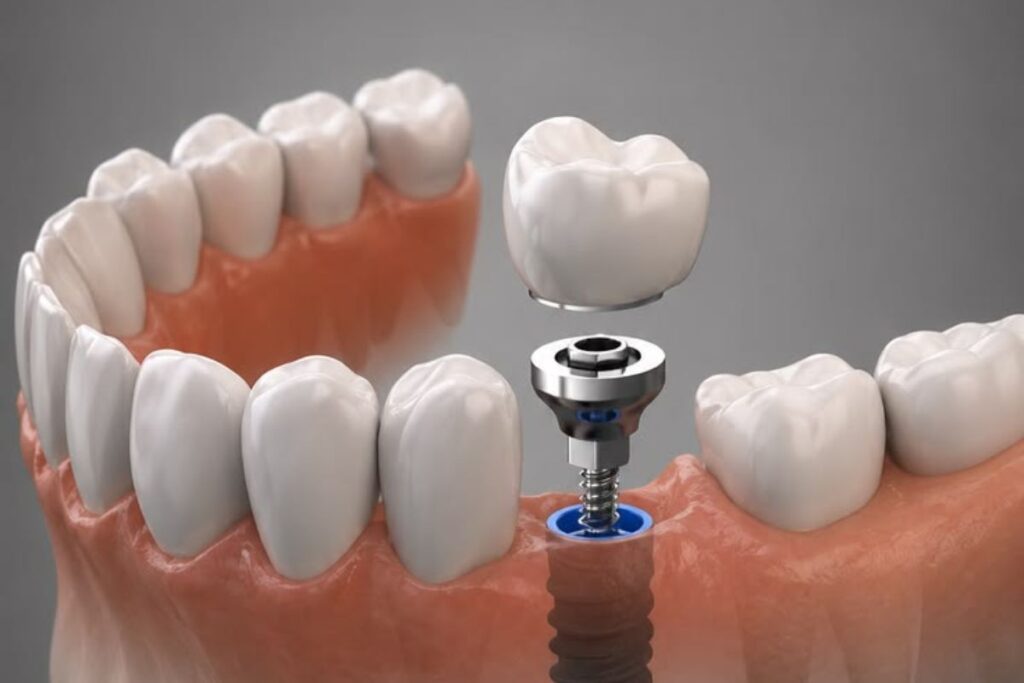
Dental Implants Explained: Benefits, Procedure and Healing Time
September 22, 2026
Good oral health is an important part of overall well-being, yet many people visit a dentist only when they experience pain or discomfort. Regular dental check-ups can help identify oral health problems at an early stage and support healthier teeth and gums. A dental visit is not only about treating cavities or toothaches; it also involves examining the gums, teeth, mouth, and other areas for signs of potential problems.
Understanding the importance of dental check-ups can encourage people to make dental visits part of their routine healthcare. For those looking for a Dentist in Greater Faridabad, regular consultations can provide an opportunity to discuss oral health concerns, receive professional guidance, and understand suitable preventive care. Preventive appointments may help detect issues before they become more complicated, while professional cleaning can remove plaque and tartar that regular brushing may not completely eliminate.
What Happens During a Dental Check-Up?
A routine dental appointment generally begins with an examination of the teeth and gums. The dentist may look for cavities, plaque buildup, gum inflammation, tooth damage, or other changes inside the mouth. Depending on the individual’s oral health, dental X-rays or additional examinations may also be recommended.
A routine dental examination allows the dentist to assess the condition of the mouth even when there are no noticeable symptoms. This is important because some dental problems can develop gradually without causing significant pain in the early stages.
Professional cleaning may also be included during a dental visit. The dental professional can remove hardened tartar and deposits from areas that can be difficult to clean effectively with a toothbrush and floss alone.
Why Are Regular Dental Check-Ups Important?
One of the main reasons for scheduling regular dental check-ups is early detection. Cavities, gum disease, worn fillings, cracked teeth, and other oral conditions may become more difficult to manage when treatment is delayed.
During an appointment, the dentist can identify areas that require attention and explain appropriate treatment or preventive measures. Early care can sometimes involve simpler procedures than treatment for an advanced dental problem.
Another part of the importance of dental check-ups is maintaining oral hygiene. Even people who brush twice a day and floss regularly can develop plaque and tartar in certain areas. Professional cleaning can support everyday oral hygiene and help maintain cleaner teeth.
Dental Check-Up Benefits for Long-Term Oral Health
There are several dental check-up benefits associated with maintaining a consistent dental care routine. Regular examinations allow changes in oral health to be monitored over time. This can help dentists understand whether existing concerns are improving, remaining stable, or becoming more serious.
Regular appointments may also help people become more aware of their oral hygiene habits. A dentist can provide personalized guidance about brushing techniques, flossing, dental products, diet, and other habits that may affect oral health.
For children and teenagers, dental visits can also help monitor developing teeth and identify potential concerns early. For adults, examinations may focus on cavities, gum health, tooth wear, restorations, and other age-related oral concerns.
Detecting Cavities Before They Become Serious
Tooth decay is one of the common oral health concerns that dentists look for during a routine dental examination. A small cavity may not initially cause noticeable pain, but it can gradually progress if left untreated.
A dentist can examine areas that may be difficult for a person to see or clean properly. If decay is detected early, the dentist can discuss suitable treatment options and explain how to prevent additional damage.
This is one reason why waiting for a toothache before visiting a dentist is not always advisable. Pain can sometimes indicate that a dental problem has already progressed.
Protecting Gum Health
Healthy gums provide important support for the teeth. Plaque accumulation around the gumline can contribute to inflammation and gum problems if it is not properly controlled.
During regular dental check-ups, the dentist can examine the gums for signs such as redness, swelling, bleeding, or other changes. Early attention to gum problems may help prevent them from becoming more advanced.
Professional cleaning, combined with good brushing and flossing habits at home, can support preventive dental care. People who frequently experience bleeding gums, persistent bad breath, or gum sensitivity should discuss these symptoms with a dental professional.
Professional Cleaning and Plaque Removal
Brushing and flossing are essential parts of daily oral hygiene, but they cannot always remove every deposit from the teeth. Plaque can harden into tartar, which generally requires professional cleaning to remove.
Professional cleaning is another important aspect of the dental check-up benefits. Removing accumulated deposits can help maintain cleaner teeth and support healthier gums.
The dentist or dental hygienist may also demonstrate effective brushing and flossing techniques. Small improvements in daily habits can make a meaningful difference when practiced consistently.
Preventing Dental Problems Through Routine Care
Preventive dental care focuses on reducing the risk of oral health problems rather than waiting until symptoms appear. It includes regular examinations, professional cleaning, daily brushing, flossing, balanced nutrition, and appropriate use of dental products.
The importance of dental check-ups becomes particularly clear when preventive care is considered as a long-term approach. Instead of visiting a dentist only when something hurts, routine appointments create opportunities to monitor oral health and address concerns earlier.
Preventive visits can also help identify habits that may contribute to dental problems. For example, frequent consumption of sugary foods and drinks, tobacco use, poor brushing techniques, or teeth grinding may affect oral health.
How Often Should You Visit a Dentist?
The appropriate frequency of dental appointments can vary from person to person. Some individuals may benefit from routine visits at intervals recommended by their dentist, while people with existing dental or gum concerns may require more frequent monitoring.
Age, oral hygiene, previous dental treatments, medical history, lifestyle habits, and risk of tooth decay can all influence the recommended schedule.
Rather than following a fixed schedule without considering individual needs, it is better to discuss an appropriate appointment frequency with a qualified dental professional.
Dental Check-Ups for Children
Children can benefit from developing good dental habits from an early age. Regular visits allow dentists to monitor the development of primary and permanent teeth and provide guidance to parents about brushing, fluoride, diet, and other oral hygiene practices.
A routine dental examination can also help children become comfortable with dental appointments. Positive experiences may make it easier for them to maintain dental care habits as they grow.
Parents should pay attention to complaints such as tooth sensitivity, persistent pain, difficulty chewing, or unusual changes in the teeth and gums.
Signs That You Should See a Dentist
Routine appointments are important, but certain symptoms may require a dental visit sooner. These can include persistent toothache, swollen gums, bleeding while brushing, sensitivity to hot or cold foods, loose teeth, broken teeth, persistent bad breath, or pain while chewing.
Ignoring these symptoms may allow an underlying problem to progress. A dentist can examine the affected area and determine whether further investigation or treatment is necessary.
Building Better Oral Health Habits
Dental visits work best when combined with consistent home care. Brush your teeth twice a day with an appropriate fluoride toothpaste, clean between the teeth regularly, limit excessive sugary foods and drinks, and follow the advice provided by your dental professional.
These habits form the foundation of preventive dental care. Regular professional monitoring adds another layer of protection by allowing dental concerns to be identified and addressed appropriately.
Conclusion
Maintaining oral health requires more than responding to pain or visible dental problems. Regular dental check-ups provide an opportunity to monitor the condition of the teeth and gums, receive professional cleaning, and identify potential concerns before they become more complicated.
The dental check-up benefits can extend beyond individual treatments by encouraging better oral hygiene habits and supporting long-term dental health. For individuals considering Teeth Whitening Greater Faridabad, a dental consultation can also help determine whether professional whitening is suitable based on the condition of the teeth and gums. A routine dental examination, combined with daily brushing, flossing, healthy lifestyle choices, and professional advice, can form an effective approach to preventive dental care.
Understanding the importance of dental check-ups and making dental visits part of a regular healthcare routine can help people take a proactive approach to their oral health. If you notice persistent pain, swelling, bleeding, sensitivity, or other unusual changes, consult a qualified dental professional for an appropriate evaluation.