Tips for Faster Wisdom Tooth Recovery and Healing

Dental Implant Treatment: Process & Key Benefits
October 17, 2026
Benefits of Root Canal Treatment for Saving Natural Teeth
November 18, 2026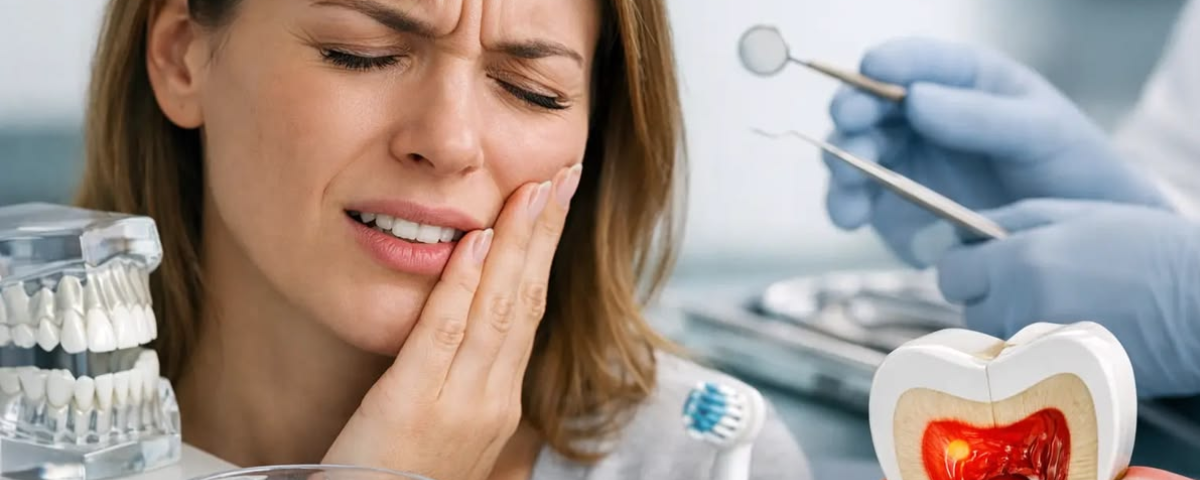
Wisdom teeth are the last set of molars to develop, usually appearing between the ages of 17 and 25. While some people experience no problems, others may develop pain, swelling, gum infections, or overcrowding when these teeth do not have enough room to grow properly. In such situations, a dentist may recommend wisdom tooth removal to protect oral health and prevent further complications.
Understanding the recovery process and following appropriate aftercare instructions can help you manage discomfort and support healing. From choosing suitable foods to maintaining oral hygiene, a few simple precautions can make the days following extraction more comfortable. Consulting a qualified Dentist in Greater Faridabad can help you understand the procedure, receive personalized aftercare guidance, and recognise potential warning signs that require professional dental attention.
What Happens During Wisdom Tooth Removal?
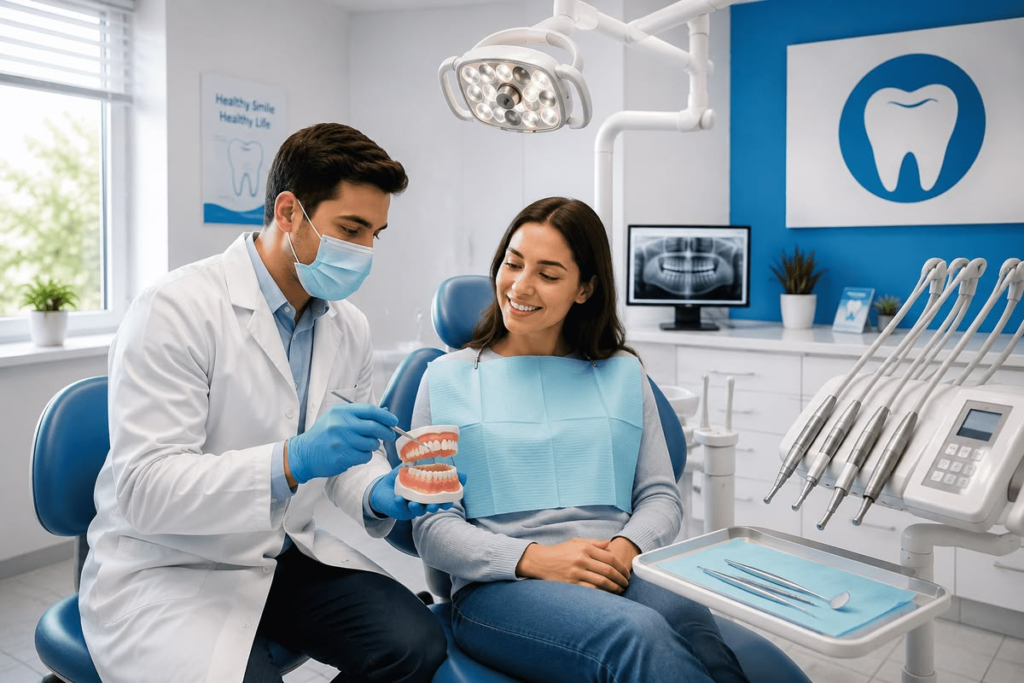
Wisdom tooth extraction is a common dental procedure performed when a tooth is impacted, damaged, infected, or causing other oral health problems. Before recommending treatment, a dentist examines your teeth and gums and may take dental X-rays to understand the tooth’s position.
The procedure usually begins with local anaesthesia to numb the treatment area. Depending on the complexity of the extraction, sedation or general anaesthesia may also be considered. If the tooth has fully emerged, the dentist may remove it using standard extraction techniques. An impacted tooth may require a small incision in the gum and, occasionally, removal of a small amount of surrounding bone.
After the tooth is removed, the dentist may place stitches and ask you to bite gently on gauze to control bleeding. You will also receive instructions about medication, eating, cleaning your mouth, and attending follow-up appointments.
The procedure itself is often relatively short, but recovery varies depending on the number of teeth removed, their position, and the complexity of the surgery. Following your dentist’s instructions from the beginning helps protect the extraction site and supports a smoother recovery.
What to Expect During Wisdom Tooth Recovery
The first few days after extraction are generally when discomfort and swelling are most noticeable. Understanding the typical recovery timeline can help you plan your activities and avoid unnecessary strain.
First 24 Hours
During the first day, mild bleeding, tenderness, and swelling are common. A blood clot forms in the empty tooth socket, protecting the underlying bone and nerves while the healing process begins.
Avoid vigorous rinsing, spitting, smoking, drinking alcohol, and using straws during this period. These activities may disturb the clot and increase the risk of dry socket. Rest and follow your dentist’s instructions regarding prescribed medication.
Days Two to Three
Swelling and jaw stiffness may become more noticeable during the second or third day before gradually improving. Applying a cold compress externally, as directed by your dentist, may help reduce swelling.
A typical wisdom tooth recovery period includes some difficulty opening the mouth fully or chewing comfortably. Choose soft foods, drink enough water, and avoid strenuous exercise until you feel ready and your dentist’s guidance permits it.
Days Four to Seven
Many people begin feeling better within several days. Pain and swelling should generally start decreasing, although complex surgical extractions may take longer.
Continue maintaining gentle oral hygiene and avoid chewing hard foods near the extraction site. Although the surface may appear to be healing, deeper tissues still need time to recover. Follow-up care may be recommended depending on your procedure and symptoms.
Essential Wisdom Tooth Aftercare Tips
Proper care following extraction helps protect the blood clot, reduce irritation, and lower the risk of complications. Your dentist’s specific instructions should always take priority because the recommended precautions may vary depending on the procedure.
1. Protect the Blood Clot
The blood clot inside the socket plays an essential role in healing. Avoid touching the extraction area with your fingers, tongue, toothbrush, or other objects. Do not rinse forcefully or spit repeatedly during the first 24 hours unless your dentist instructs otherwise.
2. Maintain Gentle Oral Hygiene
Keeping your mouth clean helps reduce the buildup of bacteria. Brush your other teeth carefully, taking care not to disturb the surgical site. After the first 24 hours, your dentist may recommend gentle rinsing with warm salt water.
Let the liquid move around your mouth gently rather than swishing vigorously. If you have stitches, follow the cleaning instructions provided by your dental professional.
3. Manage Swelling
A cold compress applied to the outside of your cheek may help during the first 24 hours. Use it for short intervals with breaks between applications, following your dentist’s advice.
Keeping your head slightly elevated while resting may also improve comfort. Avoid placing ice directly against your skin.
4. Take Medication as Directed
Use prescribed pain relief or other medication according to your dentist’s instructions. Do not increase doses or combine medicines without checking whether doing so is safe.
These wisdom tooth aftercare practices are particularly important during the first few days, when the extraction site is most vulnerable to irritation.
How to Manage Pain After Wisdom Tooth Extraction
Some discomfort is expected after an extraction, especially when the tooth was impacted or required surgical removal. However, pain should generally become more manageable over time rather than continuing to worsen.
The following measures may help:
- Follow medication instructions: Take recommended pain relief as directed by your dentist. If medication is prescribed before the anaesthesia wears off, follow the timing advice provided.
- Apply a cold compress: Use a cold pack externally during the early recovery period to help manage swelling and discomfort.
- Choose soft foods: Eat yoghurt, mashed potatoes, scrambled eggs, lukewarm soup, or other soft foods that require minimal chewing.
- Rest adequately: Avoid heavy lifting, strenuous exercise, and activities that may increase bleeding during the initial recovery period.
- Avoid irritating the socket: Do not smoke, vape, use straws, or disturb the extraction site.
Experiencing pain after wisdom tooth extraction does not necessarily indicate a complication. The intensity depends on the procedure and individual healing response. However, severe or worsening pain, particularly after initial improvement, requires attention.
One possible complication is dry socket, which occurs when the protective blood clot is lost or breaks down prematurely. It can cause significant pain that may spread toward the ear or jaw and may be accompanied by an unpleasant taste or smell.
Contact your dentist if pain becomes severe, medication does not provide adequate relief, or symptoms worsen instead of improving. Avoid placing aspirin, crushed tablets, or unapproved substances directly on the gums, as these can cause tissue irritation or injury.
Stages of Healing After Wisdom Tooth Removal
Healing occurs gradually, and the extraction site may take longer to recover completely than the initial discomfort suggests.
Initial Healing
During the first 24 hours, a blood clot forms inside the socket. This clot protects the underlying tissues and provides a foundation for healing. Minor bleeding or blood-tinged saliva may occur during the early period.
Gum Healing
Over the following several days, the gums begin repairing themselves. Swelling, tenderness, and jaw stiffness should gradually improve. Depending on the procedure, stitches may dissolve naturally or require removal at a follow-up appointment.
Deeper Tissue Recovery
The gum opening may begin closing within a few weeks, but the underlying bone continues to remodel for longer. Complete recovery varies according to the complexity of the extraction and individual health factors.
Successful healing after wisdom tooth removal depends on protecting the extraction site, maintaining appropriate oral hygiene, eating nutritious foods, and following professional advice.
Avoid comparing your recovery too closely with someone else’s experience. If symptoms are not improving as expected, your dentist can assess whether additional treatment is needed.
Foods to Eat and Avoid After Extraction
Your food choices can make eating more comfortable while protecting the healing socket. During the initial recovery period, choose foods that are soft, nutritious, and easy to swallow.
Good options include:
- Yoghurt and smooth pudding
- Mashed potatoes and soft vegetables
- Scrambled eggs
- Lukewarm blended soups
- Soft oatmeal and well-cooked pasta
- Smoothies eaten with a spoon rather than through a straw
Drink water regularly to stay hydrated. Avoid very hot foods and drinks while the area is numb, as you may accidentally burn your mouth.
For effective wisdom tooth aftercare, temporarily avoid hard, crunchy, sticky, spicy, or very chewy foods that may irritate the extraction site. Foods such as nuts, chips, popcorn, and seeds can become trapped in the socket.
Gradually return to your usual diet as comfort improves and your dentist permits. Chew away from the extraction area when possible, particularly during the first several days.
When to Contact Your Dentist
Although mild discomfort and swelling are common, certain symptoms require prompt professional assessment.
Contact your dentist if you experience:
- Severe or worsening pain, especially after initial improvement
- Persistent or heavy bleeding that does not respond to the instructions provided
- Fever or increasing swelling
- Pus or a persistent unpleasant taste accompanied by other symptoms
- Difficulty swallowing or opening your mouth that is getting worse
Seek emergency medical care if you develop difficulty breathing or significant difficulty swallowing, as these symptoms may indicate a serious problem.
Your wisdom tooth recovery experience should generally improve over time. If your symptoms seem unusual or you are concerned about the extraction site, contact your dental professional rather than attempting to treat a possible complication yourself.
Conclusion
Proper care after wisdom tooth extraction supports comfortable healing and helps reduce the risk of complications. Follow your dentist’s instructions, maintain gentle oral hygiene, eat soft foods, stay hydrated, and allow your body enough time to rest. Avoid smoking, using straws, and disturbing the extraction site while the blood clot develops. If you are also exploring orthodontic options, a consultation about Invisalign Aligners in Greater Faridabad can help you understand available teeth-straightening treatments after your recovery. Although some discomfort is normal, worsening pain, fever, persistent bleeding, or increasing swelling should not be ignored. Following appropriate healing after wisdom tooth removal practices and attending recommended follow-up appointments can help you recover safely and return to your regular activities with greater confidence.