Dental Implants Explained: Benefits, Procedure and Healing Time

Importance of Regular Dental Check-Ups
September 18, 2026
10 Practical Tips to Keep Your Teeth and Gums Healthy
September 24, 2026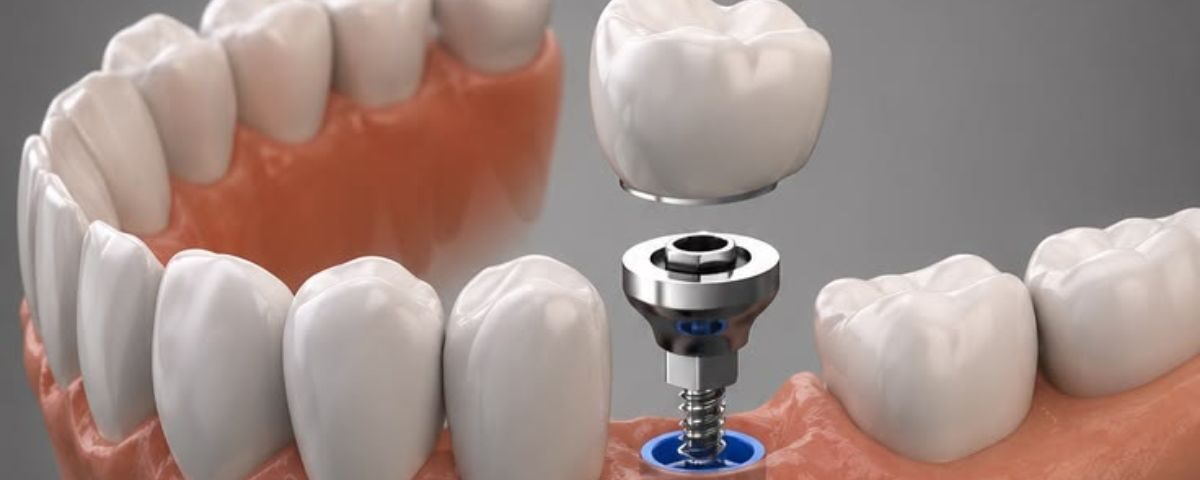
Losing a tooth can affect more than just your smile. It may make eating uncomfortable, influence the way you speak, and sometimes make you feel less confident. Dental implants offer a long-term tooth replacement option that is designed to function much like a natural tooth. They provide support for replacement teeth by using an implant that is positioned within the jawbone.
Before choosing this treatment, it is useful to understand how implants work, what happens during the dental implant procedure, the possible dental implants benefits, and what to expect during dental implant recovery. Learning about each stage can help you discuss your options more effectively with your dentist.
If you are considering implant treatment, consulting a qualified Dentist in Greater Faridabad can help you understand whether this option is suitable for your oral health and individual needs.
What Are Dental Implants?
Dental implants are small artificial structures that act as replacement tooth roots. They are typically made from materials that are compatible with the body, such as titanium. After being placed into the jawbone, an implant can provide a strong base for a replacement tooth.
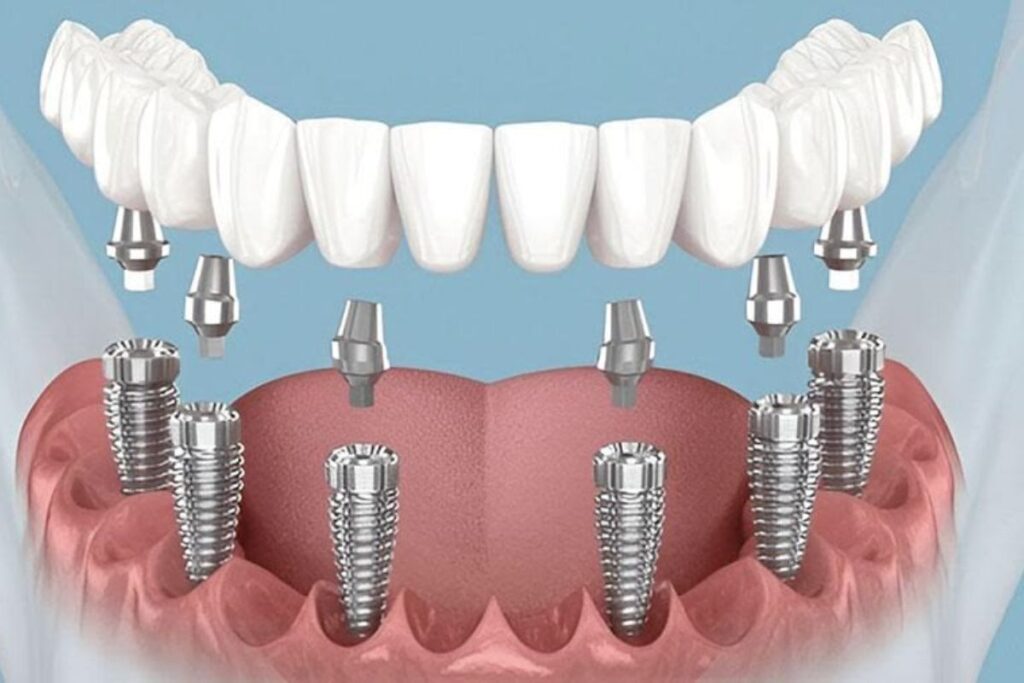
A traditional implant restoration generally has three parts:
- Implant: Positioned inside the jawbone and acts as the artificial root.
- Abutment: Connects the implant with the replacement tooth.
- Crown: The visible portion designed to replace the missing tooth.
Implants can be used to replace a single missing tooth or several missing teeth. Depending on the patient’s situation, they can also provide support for bridges or implant-retained dentures.
When Are Dental Implants Considered?
Tooth loss may occur due to tooth decay, gum disease, accidents, infections, or other dental conditions. When a tooth is missing, leaving the space untreated may affect surrounding teeth and the way your bite functions.
A dentist may consider implants after examining your teeth, gums, and jawbone. During the consultation, factors such as bone volume, gum health, oral hygiene, and overall medical history may be reviewed.
A patient with insufficient bone support may require an additional procedure before an implant can be placed. Existing gum disease or dental infections may also need treatment first.
Understanding the Dental Implant Procedure
The dental implant procedure is normally planned according to the patient’s individual dental condition. It may involve several appointments, with healing time between certain stages.
Dental Examination and Evaluation
The first step is usually a detailed examination. Your dentist may take dental X-rays or use advanced imaging to understand the condition of the jawbone and identify the most suitable location for implant placement.
The dentist can also evaluate nearby teeth and gums to identify any problems that should be addressed before treatment begins.
Creating a Personalized Plan
Once the examination is complete, the dentist develops a treatment plan. This may include deciding how many implants are needed, where they should be placed, and what type of restoration will be attached.
If a damaged tooth is still present, extraction may be required. In some cases, bone grafting or another preparatory procedure may also be recommended.
Placing the Implant
During implant placement, the implant is carefully positioned into the jawbone. Appropriate anesthesia is used to keep the procedure comfortable.
After placement, the implant needs time to heal. During this period, the surrounding bone gradually forms a connection with the implant, helping create a stable foundation.
Attaching the Abutment
After sufficient healing, the dentist may attach an abutment to the implant. The timing can vary depending on the treatment plan and the type of implant restoration being used.
Adding the Final Tooth
The final crown or restoration is then prepared and fitted. Its size, shape, shade, and bite are adjusted to suit the patient’s mouth.
The goal is to create a replacement tooth that is comfortable, functional, and visually compatible with the surrounding teeth.
Dental Implants Benefits You Should Know
There are several dental implants benefits that make this option worth discussing with a dental professional.
Better Support for Chewing
A missing tooth can make certain foods harder to eat. An implant-supported replacement provides a stable structure that can help restore chewing ability.
Improved Smile Appearance
A missing tooth can create a visible gap. A carefully designed implant crown can fill that space and be made to resemble the surrounding natural teeth.
Greater Stability
Because the implant is positioned within the jawbone, the replacement tooth does not rely only on surrounding teeth for support. This can provide greater stability compared with some removable tooth replacement options.
Support for Everyday Speech
Teeth play an important role in forming certain sounds. Replacing missing teeth may help some people speak more comfortably and naturally.
Helps Preserve the Jawbone
Following tooth loss, the bone surrounding the missing tooth may gradually decrease in volume. An implant replaces the root portion and can provide stimulation to the surrounding bone.
No Need for a Removable Appliance
Unlike conventional removable dentures, an implant-supported tooth is designed to remain in place. This can make everyday activities such as eating and speaking more convenient.
What to Expect During Dental Implant Recovery
The length of dental implant recovery varies between patients. The number of implants, location of treatment, bone condition, and whether additional procedures were performed can all influence the healing process.
After implant placement, some patients may experience temporary swelling, tenderness, bruising, or mild discomfort. These effects can gradually settle as healing progresses.
Your dentist may recommend several aftercare measures, including:
- Keeping the treated area clean according to professional instructions
- Eating softer foods during the initial healing period
- Avoiding unnecessary pressure around the implant
- Taking medication as instructed
- Maintaining recommended oral hygiene
- Attending scheduled follow-up appointments
If pain or swelling becomes severe or continues to worsen, or if you notice unusual bleeding, fever, or other unexpected symptoms, contact your dental professional promptly.
What Can Influence Recovery?
Every person’s healing experience is different. Several factors can influence dental implant recovery, including oral hygiene, bone quality, the complexity of the procedure, general health, and the number of implants involved.
Smoking and poor oral hygiene can interfere with the healing environment. Existing gum problems may also affect the tissues surrounding an implant.
For this reason, following your dentist’s instructions is an important part of the recovery process. Patients should also avoid comparing their healing timeline with someone else’s because treatment circumstances can vary significantly.
Caring for Your Implant After Treatment
Completing dental implant treatment is not the end of your dental care. Regular maintenance is important for keeping the implant, gums, and restoration in good condition.
Daily brushing and cleaning between the teeth should remain part of your oral hygiene routine. Your dentist may suggest specific cleaning aids depending on the type of implant restoration you have.
Routine dental visits are also important. During these appointments, your dentist can check the condition of the implant, restoration, gums, and surrounding teeth.
Good oral hygiene can help reduce the risk of problems affecting the tissues around the implant. Professional cleaning may also be recommended based on your individual needs.
Are Dental Implants Right for You?
Not every patient will have the same requirements for dental implant treatment. Your dentist will consider factors such as available bone, gum condition, oral hygiene, existing dental conditions, and medical history before recommending an approach.
Some people may need preparatory treatment before implant placement. Others may have alternative tooth replacement options that are more appropriate for their circumstances.
A professional examination is therefore essential before making a decision. Your dentist can explain the potential advantages, limitations, expected timeline, and alternatives based on your individual condition.
Conclusion
Replacing a missing tooth involves more than filling an empty space. The chosen solution should support comfortable function, oral health, and everyday confidence. Dental implants provide one option that uses an artificial tooth root to support a replacement tooth.
From the initial examination and planning to the dental implant procedure, healing, and final restoration, each stage requires careful professional assessment. Understanding the dental implants benefits and knowing what to expect during dental implant recovery can make the treatment journey easier to understand. If you are experiencing other dental concerns, such as an infected or damaged tooth, Root Canal Treatment in Greater Faridabad may also be recommended when preserving the natural tooth is possible.
If you are considering dental implant treatment, speak with a qualified dentist for an individual assessment. Your dental professional can determine whether implants are suitable and recommend a treatment approach based on your oral health and specific needs.