
Teeth Whitening: Benefits, Procedure and Safety
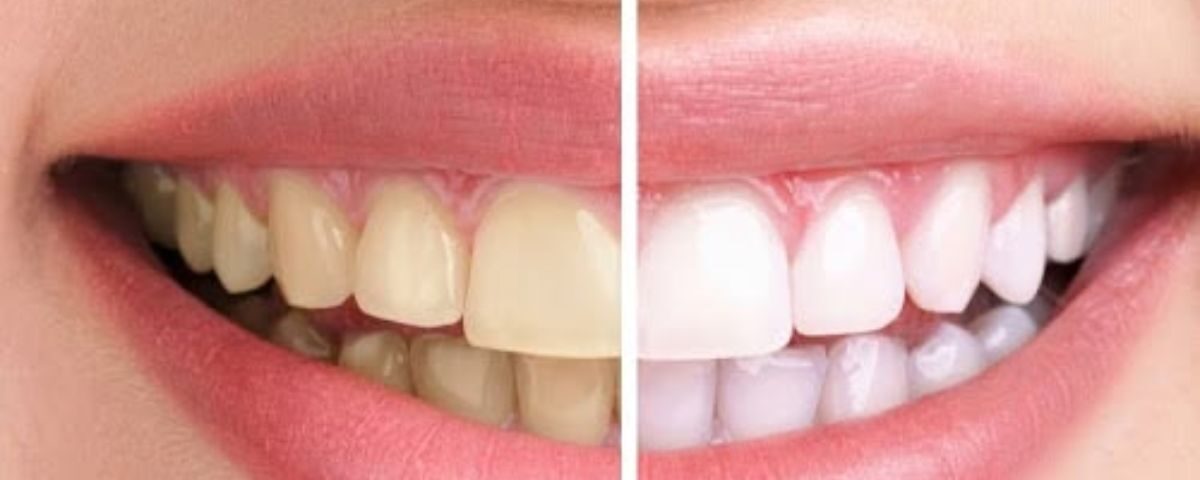
A brighter smile can make people feel more confident when speaking, smiling, or meeting others. Over time, teeth can become yellow or stained because of food, drinks, tobacco use, ageing, and changes in oral hygiene. Consulting a Dentist in Greater Faridabad can help determine the cause of discoloration and whether professional teeth whitening is appropriate. A teeth whitening treatment is one option used to reduce certain types of tooth discoloration and improve the appearance of the smile. However, whitening is not suitable for every type of stain, and the safest approach depends on the condition of the teeth and gums.
What Is Teeth Whitening?
Teeth whitening is a cosmetic dental procedure designed to lighten the colour of natural teeth. Whitening products generally contain bleaching ingredients that can help break down certain stains on the tooth surface and within the tooth structure.
There are different approaches to whitening, including products used at home and treatments performed under the supervision of a dental professional. The choice depends on the severity and type of discoloration, existing dental work, oral health, and the desired result.
Before choosing professional teeth whitening, it is useful to understand why the teeth have become discoloured. A dental examination can help identify whether the staining is caused by lifestyle habits, plaque buildup, ageing, medication, trauma, or another dental issue.
Common Causes of Tooth Discoloration
Teeth naturally change colour as people age. The enamel may gradually become thinner, allowing the naturally darker dentin underneath to become more visible. Certain habits can also contribute to staining.
Common causes include:
- Regular consumption of tea and coffee
- Red wine and other strongly coloured beverages
- Tobacco and smoking
- Poor brushing and flossing habits
- Plaque and tartar buildup
- Certain medications
- Age-related changes
- Dental trauma
- Some types of food
- Fluorosis or developmental changes
Surface stains may respond more easily to whitening than deeper or intrinsic discoloration. This is why a dental assessment can be helpful before starting any whitening process.
Teeth Whitening Benefits
One of the main teeth whitening benefits is the improvement in the appearance of stained or yellowish natural teeth. A brighter smile can complement regular oral hygiene and may make someone feel more comfortable about their appearance.
Other potential benefits include:
Improved Smile Appearance
Whitening can reduce certain stains and create a lighter-looking smile. The result can vary depending on the original tooth colour and the cause of discoloration.
Helps Address Certain Stains
Professional whitening products may be effective against some stains caused by beverages, foods, tobacco, and ageing. However, not every type of discoloration responds equally well.
Customized Treatment
A dentist can assess the condition of the teeth and gums and determine whether whitening is appropriate. Treatment can also be adjusted according to individual needs.
Professional Supervision
One of the important advantages of professional teeth whitening is that the treatment can be performed after checking for problems such as cavities, gum inflammation, cracked teeth, or exposed tooth surfaces.
How Does the Teeth Whitening Procedure Work?
The exact teeth whitening procedure depends on the method selected. In a dental clinic, the dentist may first examine the teeth and gums to determine whether whitening is appropriate.
Professional treatment commonly involves several stages.
1. Dental Examination
The dentist checks the condition of the teeth, gums, fillings, crowns, and other dental restorations. Existing oral health problems may need attention before cosmetic whitening.
2. Shade Assessment
The existing tooth shade may be recorded before treatment. This provides a reference for comparing the appearance after whitening.
3. Protection of Soft Tissues
The gums and other sensitive areas are protected during professional whitening. Proper isolation helps minimize unnecessary contact between the whitening material and soft tissues.
4. Application of Whitening Material
A dentist applies an appropriate whitening product to the teeth. The product is generally left in place for a specific period according to the treatment protocol.
5. Monitoring
The dentist monitors the treatment and adjusts the process when necessary. Treatment duration can depend on the whitening system, tooth sensitivity, and the desired level of whitening.
6. Final Assessment
After treatment, the teeth are checked and the shade can be compared with the original assessment. The dentist may also provide instructions for maintaining the results.
Is Teeth Whitening Safe?
When appropriately selected and performed according to professional guidance, dental whitening is generally considered a common cosmetic dental procedure. However, it does not mean that everyone will have the same experience.
Temporary tooth sensitivity is one of the most frequently reported side effects. Some people may also experience temporary gum irritation, particularly if whitening material comes into contact with sensitive soft tissue.
Following professional instructions can help reduce unnecessary irritation. People with existing dental problems should address those concerns before beginning whitening.
A safe teeth whitening treatment should take the condition of the teeth and gums into account rather than focusing only on achieving a very light shade.
Tooth Sensitivity After Whitening
Some people experience increased sensitivity to cold or hot foods and drinks after whitening. This sensitivity is often temporary, but the duration can differ between individuals.
People who already have sensitive teeth may require additional consideration before treatment. A dentist may recommend adjustments to the whitening method or discuss alternative options.
Using whitening products more frequently or for longer than recommended does not necessarily produce better results. Instead, excessive use may increase the chance of sensitivity or irritation.
Who Should Avoid or Delay Whitening?
Whitening may not be appropriate for everyone. People with untreated cavities, active gum disease, significant enamel damage, or other oral health problems may need treatment for those conditions first.
Children and teenagers may also require special consideration because their teeth and oral tissues are still developing.
Pregnant or breastfeeding individuals should discuss cosmetic whitening with their healthcare professional or dentist before proceeding.
Another important point is that whitening products generally affect natural tooth structure. Crowns, veneers, bridges, and tooth-coloured fillings may not whiten in the same way as natural teeth. This can sometimes result in a difference in shade between natural teeth and restorations.
How to Maintain Whitening Results
Whitening results are not permanent. Teeth can gradually become stained again through everyday eating and drinking habits.
To help maintain the appearance of whitened teeth:
- Brush twice daily with fluoride toothpaste.
- Clean between the teeth regularly.
- Limit frequent consumption of strongly coloured drinks.
- Avoid tobacco products.
- Maintain regular dental check-ups.
- Rinse the mouth with water after consuming staining foods or beverages.
- Follow the dentist’s recommendations regarding future whitening.
Good oral hygiene is important even after cosmetic treatment because whitening does not replace routine dental care.
Professional Whitening vs. Home Whitening
Home whitening products and professional treatments differ in their application, concentration, supervision, and expected results.
Over-the-counter products may include whitening strips, gels, toothpaste, or trays. Their effectiveness can vary depending on the product and the type of staining.
With professional teeth whitening, a dental professional can first evaluate the oral condition and select a suitable approach. This can be particularly useful when someone has significant discoloration, sensitive teeth, existing restorations, or concerns about gum health.
The right option depends on individual circumstances rather than simply choosing the strongest whitening product available.
How Long Do Whitening Results Last?
The duration of whitening results varies from person to person. Diet, oral hygiene, smoking or tobacco use, ageing, and the original cause of staining can all influence how long the teeth remain lighter.
Regular exposure to coffee, tea, coloured foods, and tobacco can contribute to new staining. Maintaining good oral hygiene and following professional advice can help extend the visible results.
Some people may consider occasional maintenance whitening, but repeated treatment should be discussed with a dental professional to avoid unnecessary sensitivity or irritation.
Final Thoughts
Teeth whitening can be a useful cosmetic option for people who want to improve the appearance of stained or discoloured natural teeth. Understanding the cause of discoloration, the available options, possible sensitivity, and the condition of existing dental restorations can help people make informed decisions.
The most appropriate Teeth Whitening Greater Faridabad treatment depends on individual oral health and the type of staining present. A dental examination before treatment can help determine whether whitening is suitable and which approach may be appropriate.
Rather than choosing a whitening product solely based on how quickly it promises results, consider professional guidance, proper application, and long-term oral health. A safe teeth whitening treatment should prioritize healthy teeth and gums while aiming for a natural-looking improvement in smile brightness.