Dental Implants: A Guide to Replacing Missing Teeth

Dental Implants: Complete Guide to Procedure, Benefits and Recovery
September 29, 2026
5 Common Dental Problems and Their Treatment Options
October 6, 2026
Missing teeth can affect more than just the appearance of your smile. They may make chewing difficult, affect speech, and create changes in how the remaining teeth function. For people looking for a long-term tooth replacement option, Dental Implants in Greater Faridabad can provide a stable foundation for replacement teeth.
Understanding how implants work, their potential benefits, the treatment process, recovery period, and factors that influence cost can help you have a more informed discussion with a qualified dental professional.
What Are Dental Implants?
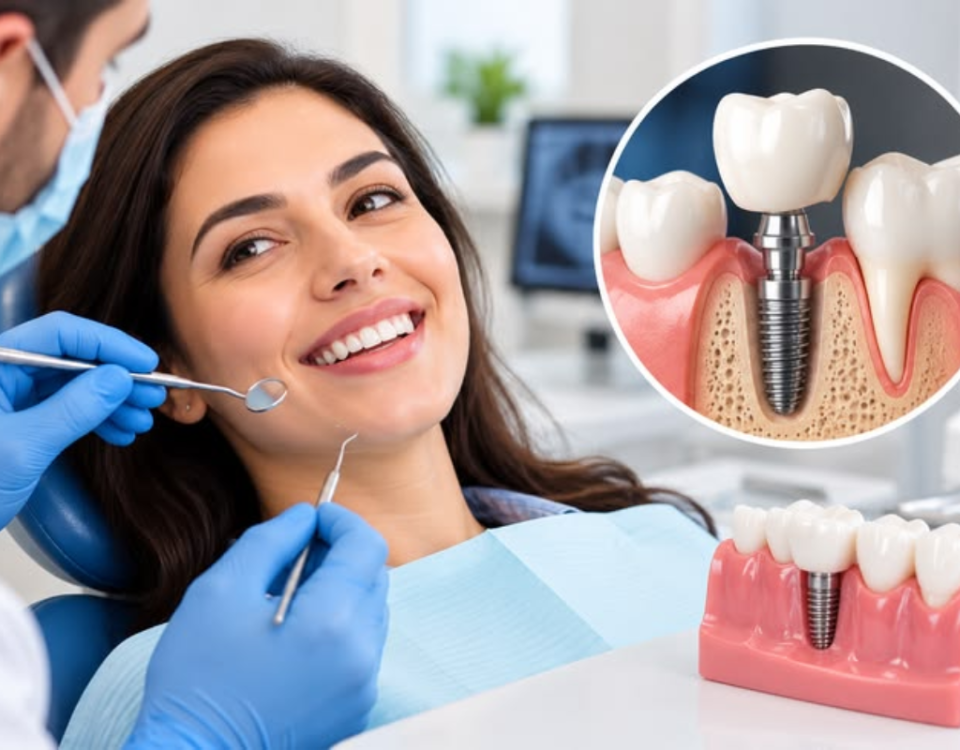
Dental implants are artificial tooth roots designed to support replacement teeth. They are typically made from biocompatible materials and are placed into the jawbone. After the implant integrates with the surrounding bone, an abutment and dental crown, bridge, or other restoration can be attached.
Unlike removable dentures, implants are designed to become a stable part of the tooth replacement system. They can be used to replace a single missing tooth or support multiple replacement teeth, depending on a person’s dental needs.
The suitability of dental implants for missing teeth depends on several factors, including jawbone health, gum condition, general health, oral hygiene, and the number and location of missing teeth.
Why Do People Consider Dental Implants?
Losing a tooth can affect everyday activities such as eating and speaking. A missing tooth can also leave neighboring teeth without the same support and may contribute to changes in the bite.
Dental implants can help restore the function and appearance of the mouth when they are suitable for the patient. They are designed to provide a secure foundation for replacement teeth while maintaining a natural-looking appearance.
A dental professional will usually examine the teeth, gums, and jawbone before recommending an implant. X-rays or other dental imaging may also be used to evaluate the area and develop an appropriate treatment plan.
Dental Implant Procedure: What to Expect
The dental implant procedure generally involves several stages rather than being completed in a single appointment. The exact process can vary depending on the patient’s oral health and treatment requirements.
1. Initial Consultation
The first stage involves a detailed dental examination. The dentist may review your medical and dental history, examine your gums and remaining teeth, and take appropriate imaging.
This assessment helps determine whether there is sufficient bone to support the implant and whether any other dental treatment is required before implant placement.
2. Implant Placement
During implant placement, the dental professional places the implant into the jawbone at the planned location. Local anesthesia or other appropriate methods may be used to keep the procedure comfortable.
The implant is then allowed to heal and integrate with the surrounding bone. This process, known as osseointegration, is an important part of implant treatment.
3. Abutment Placement
Once healing and integration have progressed adequately, an abutment may be attached to the implant. The abutment serves as a connection between the implant and the final replacement tooth.
4. Final Restoration
After the necessary healing and preparation, a customized crown, bridge, or other restoration can be attached. The restoration is designed to fit the patient’s bite and provide a functional and aesthetically appropriate result.
Because every patient has different needs, the timeline for the dental implant procedure can vary.
Dental Implant Benefits
Dental implants may offer several advantages when compared with some other tooth replacement options. One important advantage is stability. Because the implant is anchored in the jawbone, the replacement tooth does not rely solely on surrounding teeth for support.
Some potential dental implant benefits include improved chewing function, support for a natural-looking smile, and a stable replacement for missing teeth.
Implants may also help preserve the structure of the jawbone in the area of the missing tooth. When a tooth is lost, the bone that previously supported its root may gradually change. Implant treatment can help provide stimulation to the surrounding bone.
Another potential advantage is that implants do not generally require reducing healthy neighboring teeth in the same way that some traditional tooth-supported bridges may.
However, implants are not automatically appropriate for everyone. A professional evaluation is necessary to determine whether they are suitable for your specific situation.
Who May Be a Candidate for Dental Implants?
People with one or more missing teeth may be considered for implant treatment. However, several factors can affect eligibility.
Healthy gums and adequate jawbone are important considerations. If there is not enough bone in the planned implant area, additional procedures may sometimes be considered to improve the available support.
Good oral hygiene is also important before and after treatment. Certain health conditions, medications, smoking habits, and other factors may influence healing and treatment planning.
A dentist can assess these factors and explain whether implants, another restoration, or a combination of treatments may be appropriate.
Dental Implant Recovery and Aftercare
Dental implant recovery can vary from person to person and depends on the number of implants placed, the type of procedure performed, and individual healing.
Some people experience temporary swelling, tenderness, or discomfort after implant placement. Your dental professional may provide specific instructions regarding food, oral hygiene, medications, and activity during the initial healing period.
Maintaining good oral hygiene is essential. The implant area should be cared for according to the dentist’s instructions, and regular dental appointments can help monitor healing and the condition of the implant and surrounding tissues.
During dental implant recovery, patients should follow all professional instructions carefully. Avoiding habits that may interfere with healing can also be important.
The implant may require several weeks or months to fully integrate with the jawbone before the final restoration is placed. Your dentist will determine when the implant is ready for the next stage based on clinical evaluation.
How Much Do Dental Implants Cost?
The dental implants cost can vary significantly depending on several factors. These may include the number of implants required, the type of restoration, diagnostic imaging, the materials selected, the complexity of the procedure, and whether additional treatments are necessary.
For example, replacing one tooth may have different costs compared with replacing several teeth. Patients who require bone-related procedures or treatment for existing gum problems may also have additional expenses.
Because treatment plans differ, it is better to receive a personalized estimate following a dental examination rather than relying only on general price ranges.
When discussing dental implants cost, ask the dental clinic what is included in the quoted price. Understanding the complete treatment plan can help you compare options more accurately.
How to Care for Dental Implants
Good oral hygiene plays an important role in maintaining dental implants and surrounding tissues. Brush your teeth regularly using the method recommended by your dentist, clean between teeth, and attend routine dental checkups.
Avoid using your teeth to open packages or bite excessively hard objects. If you smoke or use tobacco products, discuss this with your dental professional because these habits can affect oral health and healing.
Professional dental examinations can help identify potential problems early and allow appropriate treatment when needed.
Are Dental Implants a Permanent Solution?
Dental implants are designed as a long-term tooth replacement option, but their longevity depends on several factors. Oral hygiene, gum health, bite forces, lifestyle habits, regular dental care, and the condition of the implant and restoration can all influence long-term outcomes.
The implant itself and the visible restoration are different components and may have different maintenance or replacement needs over time.
For this reason, patients should continue regular dental care even after completing implant treatment.
Final Thoughts
Replacing missing teeth can help restore oral function and support confidence in everyday activities. Dental implants provide a stable foundation for replacement teeth and may be suitable for people who meet the necessary dental and health requirements.
Understanding dental implants for missing teeth, the treatment stages, potential benefits, recovery expectations, and factors affecting cost can help you prepare for a consultation with a Dentist in Greater Faridabad. If you are considering implants, speak with a qualified dental professional for a personalized examination. They can evaluate your oral health, explain suitable treatment options, and develop a plan based on your individual needs.