Dental Implants: Complete Guide to Procedure, Benefits and Recovery

10 Practical Tips to Keep Your Teeth and Gums Healthy
September 24, 2026
Missing teeth can affect more than your smile. They may make chewing difficult, change the way you speak, and affect confidence in everyday situations. Dental implants are one of the commonly used options for replacing missing teeth because they are designed to provide a stable foundation for a replacement tooth.
Understanding the dental implants process can help you know what to expect before, during, and after treatment. If you are considering treatment, consulting a Dentist in Greater Faridabad can help you understand whether dental implants are suitable for your oral health and individual needs. From the initial dental examination to implant placement and recovery, every stage plays an important role in achieving a healthy and functional result.
What Are Dental Implants?
Dental implants are artificial tooth roots that are placed into the jawbone to support replacement teeth. They are generally made from biocompatible materials such as titanium and are designed to integrate with the surrounding bone.
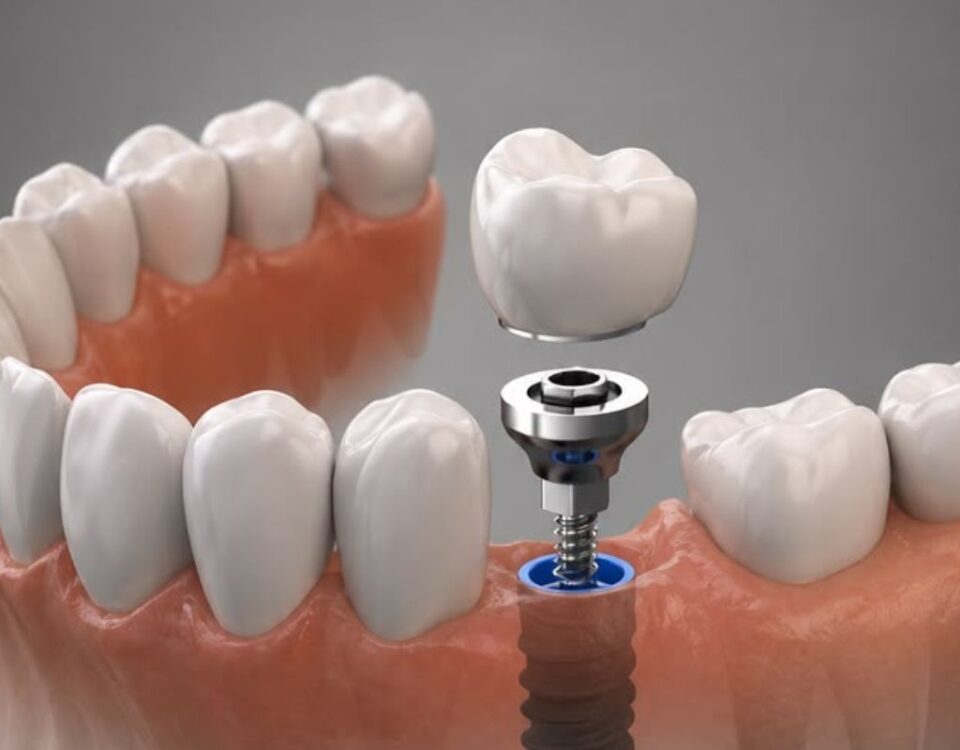
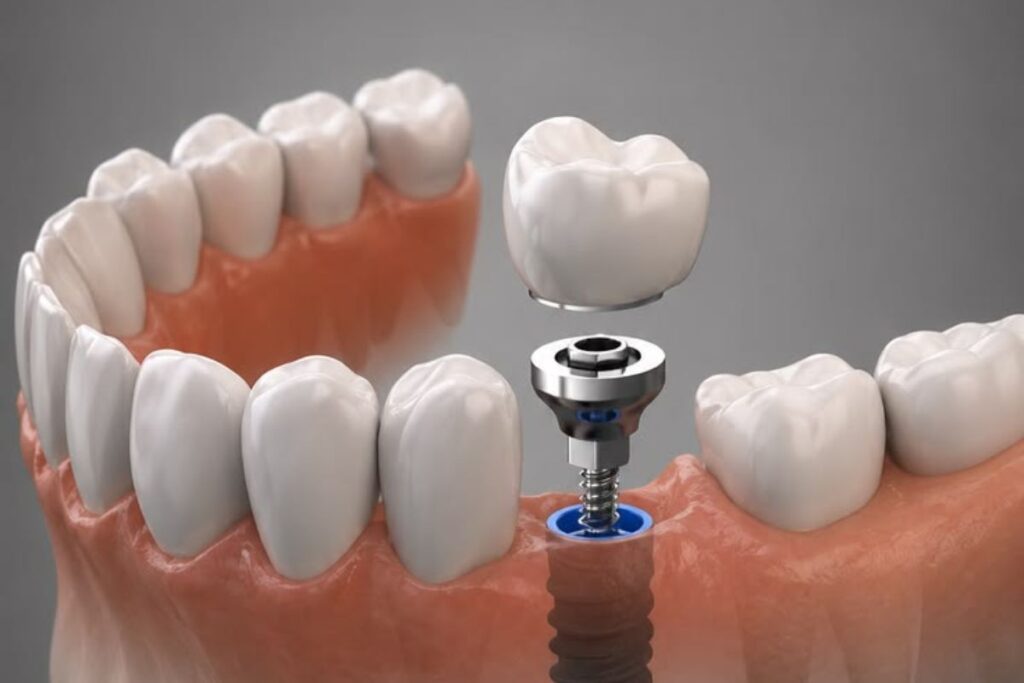
A complete implant restoration may include three main components: the implant itself, an abutment, and a dental crown. The implant is positioned in the jawbone, the abutment connects the implant to the replacement tooth, and the crown provides the visible tooth structure.
Unlike removable dentures, implants are fixed within the jaw and can provide a stable base for individual crowns, bridges, or other restorative solutions. The suitability of this treatment depends on factors such as oral health, bone condition, general health, and the number of teeth being replaced.
Who May Need Dental Implants?
Dental implants may be considered for people who have lost one or more teeth because of decay, injury, gum disease, or other dental problems. They can be used to replace a single missing tooth or several teeth, depending on the patient’s needs.
Before recommending treatment, a dentist generally evaluates the gums, remaining teeth, jawbone, and overall oral health. Imaging may also be used to understand the condition and structure of the jaw.
People with insufficient bone may sometimes require additional procedures before implant placement. Maintaining healthy gums and following professional dental advice are also important for long-term implant care.
Understanding the Dental Implant Procedure
The dental implant procedure usually takes place over several stages rather than being completed in a single appointment. The exact timeline can vary depending on the patient’s oral health and treatment plan.
1. Initial Consultation
The first stage involves a detailed dental examination. Your dentist may review your medical and dental history and examine your teeth and gums. Dental X-rays or other imaging techniques may be recommended to assess the jawbone and determine the appropriate implant position.
The dentist will also discuss your treatment goals and explain the expected steps, possible risks, and recovery requirements.
2. Preparation Before Implant Placement
If there are active dental problems, such as tooth decay or gum disease, they may need to be addressed before implant treatment. In some cases, a damaged tooth may need to be removed.
Patients who do not have enough supporting bone may require a bone graft or another preparatory procedure. The timing between these procedures and implant placement depends on individual healing.
3. Implant Placement
During the dental implant procedure, the implant is surgically placed into the jawbone at the planned location. Local anesthesia or another appropriate form of anesthesia may be used according to the procedure and patient’s needs.
After placement, the implant requires time to integrate with the surrounding bone. This process, known as osseointegration, helps create a stable foundation for the replacement tooth.
4. Abutment and Crown Placement
Once the implant has adequately integrated with the bone, an abutment may be attached. The dentist then prepares and places the dental crown or another restoration.
The replacement tooth is designed to fit comfortably with the surrounding teeth and support normal oral function.
Dental Implant Benefits
There are several potential dental implant benefits, which is why implants are widely considered for tooth replacement.
One important benefit is stability. Because the implant is anchored within the jawbone, the replacement tooth can provide a firm foundation for everyday activities such as chewing.
Another potential benefit is that implants can replace missing teeth without requiring removable appliances. For some patients, this can provide greater convenience during daily activities.
Dental implants may also help maintain the structure of the jawbone after tooth loss. Natural tooth roots stimulate the surrounding bone, and when a tooth is lost, the area may gradually experience bone loss. Implant placement can provide stimulation to the bone in the treated area.
A further benefit is the natural appearance that can be achieved with an appropriately designed dental crown. The restoration can be matched with the surrounding teeth in shape, size, and shade.
However, implants are not automatically suitable for everyone. A dentist should evaluate individual circumstances before treatment.
What to Expect During Dental Implant Recovery
Dental implant recovery varies from person to person. Some people experience mild swelling, tenderness, or discomfort after surgery, while others may experience more noticeable symptoms for a short period.
Your dentist may provide specific instructions regarding eating, brushing, physical activity, and medication after the procedure. Following these instructions can support proper healing.
During the initial recovery period, it may be helpful to choose softer foods and avoid putting unnecessary pressure on the treated area. Maintaining oral hygiene is important, but the surgical site should be cared for according to the dentist’s instructions.
The implant itself may take several months to fully integrate with the jawbone. This does not necessarily mean that you will have no temporary restoration during the healing period. Your dentist can explain what type of temporary or permanent restoration is appropriate for your situation.
If you experience severe or increasing pain, significant swelling, persistent bleeding, fever, or another unusual symptom, contact your dental professional promptly.
How to Care for Dental Implants
Good oral hygiene remains important after implant treatment. Although an implant cannot develop a cavity in the same way as a natural tooth, the tissues around it can still be affected by plaque and gum disease.
Brush your teeth regularly using a dentist-recommended technique and clean between the teeth using appropriate floss or interdental cleaning tools. Regular dental checkups can help your dentist monitor the implant, surrounding gums, and other teeth.
Avoiding tobacco products can also support oral health and may reduce certain risks associated with implant complications.
Your dentist may recommend a personalized maintenance schedule depending on your oral health and the type of restoration you have received.
How Long Do Dental Implants Last?
The lifespan of dental implants can vary based on oral hygiene, lifestyle habits, general health, implant position, and regular professional care. The implant itself may remain functional for many years when properly maintained, while the crown or other restoration may eventually require repair or replacement.
Regular dental examinations can help identify problems early. Good brushing, interdental cleaning, and professional dental care are important parts of maintaining your results.
Are Dental Implants Right for Everyone?
Not every person with missing teeth is an immediate candidate for dental implant treatment. Bone quantity and quality, gum health, oral hygiene, medical history, smoking habits, and other factors may influence treatment planning.
Some patients may need preliminary procedures before implants can be placed. Others may be better suited to alternative tooth-replacement options.
A dental professional can evaluate your specific situation and explain whether dental implants or another restoration is appropriate.
Final Thoughts
Dental implants can provide a stable option for replacing missing teeth and restoring oral function. The treatment generally involves consultation, planning, implant placement, healing, and final restoration.
Understanding the dental implant procedure, potential dental implant benefits, and expected dental implant recovery can help you prepare for treatment and follow your dentist’s recommendations more effectively. If you are considering Dental Implants in Greater Faridabad, consulting a qualified dental professional can help you understand the procedure and determine whether it is suitable for your individual oral health needs.
If you are considering dental implant treatment, schedule a consultation with a qualified dental professional. A personalized examination can help determine your treatment options, expected timeline, and the care required to maintain your oral health.